

As people age, everyday tasks such as bathing, dressing, and preparing meals can become difficult. Personal care assistance for seniors helps with these activities, allowing older adults to remain at home safely and with dignity. This type of support focuses on what are called activities of daily living (ADLs): bathing, dressing, grooming, toileting, transferring (moving from bed to chair), and eating. It also often includes light housekeeping, meal preparation, medication reminders, and companionship. Understanding what personal care covers and how to access it can make a real difference for seniors and their families.
What Is Personal Care Assistance?
Personal care assistance refers to non-medical help with daily tasks that a person would normally do for themselves. Unlike home health care, which includes medical services such as wound care, physical therapy, or administering medications, personal care focuses on hygiene, mobility, and basic household support. A personal care assistant may help a senior bathe, get dressed, comb hair, use the toilet, or move around the home. They can also prepare meals, remind the person to take medications, and provide companionship. Many seniors value personal care because it helps them maintain independence while reducing the risk of falls or other accidents.
What Does Personal Care Include?
Personal care services vary based on a senior's needs, but common tasks fall into several categories.
Bathing, Grooming, and Dressing
Assistance with bathing helps prevent skin infections and falls in the shower. A caregiver may help a senior get in and out of the tub, wash hard-to-reach areas, and dry off safely. Grooming tasks include brushing teeth, combing hair, shaving, and applying lotion. Dressing assistance involves selecting appropriate clothing and helping with buttons, zippers, or other fasteners. These tasks preserve a senior's dignity and prevent embarrassment over appearance or hygiene.
Mobility and Transferring
Moving from a bed to a wheelchair, from a chair to a standing position, or walking short distances can be challenging for seniors with balance issues or muscle weakness. A personal care assistant provides physical support, uses transfer belts or other devices, and ensures safe movement around the home. This reduces the risk of falls, which are a leading cause of injury among older adults.
Toileting and Incontinence Care
Help with using the bathroom, changing adult incontinence briefs, and cleaning up after accidents is a common need. Caregivers are trained to handle these tasks privately and respectfully, preventing skin breakdown and infections. This support allows seniors to stay at home rather than moving to a facility that offers higher levels of care.
Meal Preparation and Feeding
Personal care assistants can plan and cook meals according to dietary restrictions, such as low-sodium or diabetic-friendly foods. They may also help with feeding if a senior has difficulty using utensils. Proper nutrition is essential for maintaining strength and preventing hospital readmissions. Meal delivery programs like Meals on Wheels provide additional support for seniors who cannot cook for themselves. To learn more, call 888-998-6325.
Medication Reminders
While personal care assistants cannot administer injections or handle prescription medications, they can remind seniors to take their pills at the correct times. This simple step helps prevent missed doses or accidental double-dosing. For seniors who need medication management, home health care services from a certified agency may be required.
Light Housekeeping and Laundry
Keeping a clean home reduces allergens, clutter, and trip hazards. A caregiver may vacuum, dust, wash dishes, do laundry, and change bed linens. These tasks help maintain a safe living environment and give the senior more energy for social activities or rest.
Companionship and Transportation
Loneliness can affect a senior's mental and physical health. Friendly visitor programs and senior companion services are often available free of charge through volunteer organizations. Personal care assistants also provide transportation to doctor appointments, grocery stores, or social events, ensuring seniors stay connected to their community. For more information on how companionship care specifically supports older adults, see Senior Companionship Care: What Families Should Know in 2026.

How to Find Personal Care Assistance
Finding the right personal care provider starts with Portiva Care Network, a nationwide referral platform that matches families with vetted, certified in-home care agencies across all 50 states. Through a simple process, you provide details about your loved one's location, needs, and preferences, and the platform connects you with Portiva Certified agencies. This approach saves time and ensures that agencies have undergone licensure verification and care quality evaluation. It is a trustworthy starting point for families who want personalized matching without having to research dozens of agencies on their own.
If you prefer to explore additional resources, the Eldercare Locator is a national referral service that connects seniors to local services. You can also contact your state's Medicaid office or aging department for information about state-specific programs and providers.
How to Pay for Personal Care Assistance
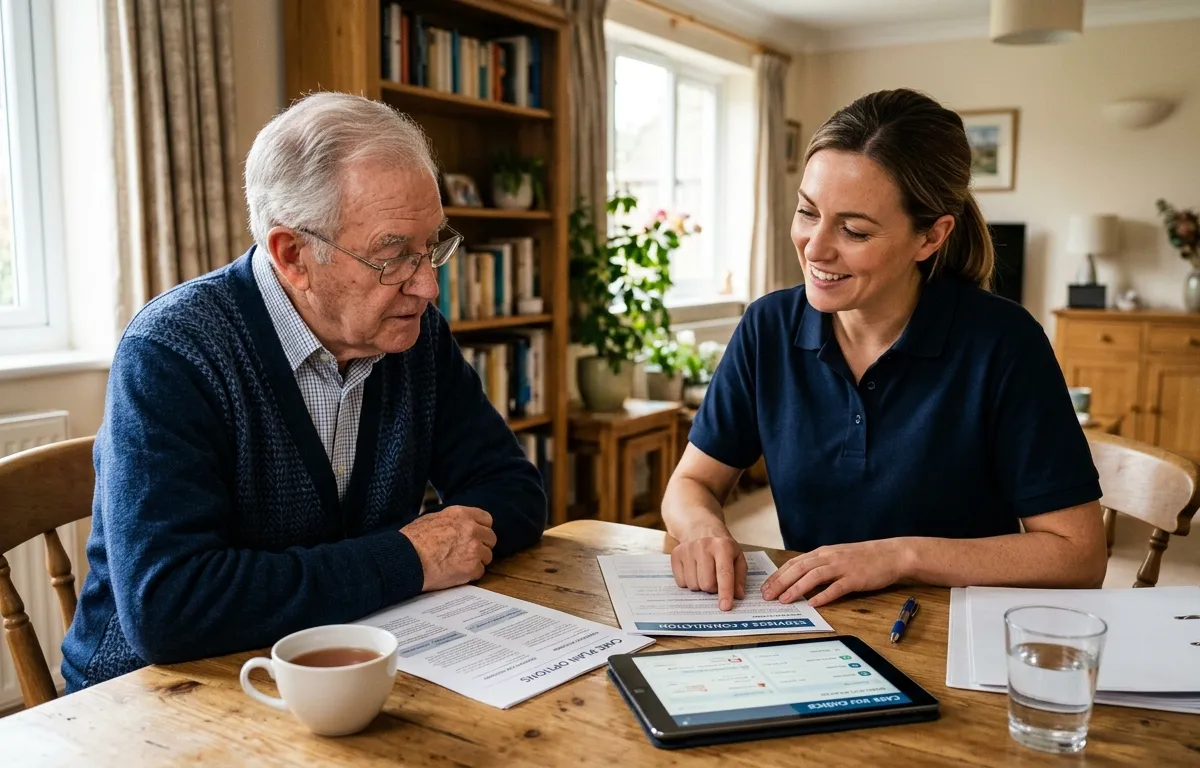
Paying for personal care can be challenging because Medicare does not cover long-term personal care. Medicare has limited coverage for home health services, and that coverage is only available for short-term, medically necessary care from a Medicare-certified agency. That care typically includes skilled nursing or therapy, not ongoing personal care. Private insurance rarely covers personal care either. However, several other funding sources may help.
Medicaid State Programs
Medicaid coverage for home health and personal care varies by state. Many states offer home- and community-based services waivers that pay for personal care assistance for seniors who meet income and asset limits. Below is a summary of specific programs mentioned in state resources:
State | Program Name | Key Details |
|---|---|---|
California | In-Home Supportive Services (IHSS) | Can pay family members to care for a senior. Income and asset limits apply. |
Texas | Personal Care Services (PCS) | Medicaid benefit that helps with activities of daily living. Eligibility determined by Texas Health and Human Services. |
Florida | Home Care for the Elderly (HCE) | Provides a basic subsidy of $160 per month for eligible seniors age 60+. Limited to certain income brackets. |
North Carolina | Home Care Independence | Lets seniors choose their own caregiver or personal assistant. State-funded, eligibility based on need and resources. |
Other states have similar programs. To find your state's specific offerings, contact your state Medicaid office or check your state's aging department website.
Free or Donation-Based Services
Some personal care services, especially friendly visitor programs and companion services, are provided free of charge by nonprofit organizations. These programs do not include bathing or toileting assistance, but they can reduce isolation and provide a safety check. Meal delivery programs provide meals at low or no cost to qualifying seniors. It is worth asking local senior centers or faith-based groups what free supports they offer.
Private Pay and Long-Term Care Insurance
Many families pay out of pocket for personal care. Hourly rates vary widely by location and provider. Some long-term care insurance policies include coverage for personal care assistance at home, but coverage depends on the individual policy. Check your policy's terms for home care benefits. A Portiva Care Network consultant can also help you understand what your insurance may cover.
How to Get Started
The first step is to assess the senior's needs honestly. Make a list of tasks they struggle with and note any safety concerns. Then reach out to Portiva Care Network to find the right agency match for your loved one. You will be connected with certified agencies that have been evaluated for quality. Our care coordinators take time to understand your loved one's specific needs, preferences, and personality to connect you with the right provider. Finally, check your state's Medicaid or aging department website to see if a family caregiver payment program is available. Personal care assistance for seniors is not one-size-fits-all, but with the right information and support, families can find the help they need.
Frequently Asked Questions
Does Medicare pay for personal care assistance?
Medicare does not cover long-term personal care such as bathing, dressing, or meal preparation. Medicare covers home health services only when they are short-term and medically necessary, such as skilled nursing or physical therapy from a Medicare-certified agency. Personal care provided by a home health aide during that period may be included, but ongoing personal care is not a Medicare benefit. You must look to Medicaid or state programs for that support.
Can a family member get paid to provide personal care?
In some states, yes. California's In-Home Supportive Services (IHSS) program allows family members to be paid for caregiving. North Carolina's Home Care Independence program also lets seniors choose their own caregiver, which can include a family member. State policies vary widely, so contact your state's Medicaid or aging department to find out if a family caregiver payment option exists where you live.
What is the difference between home health care and personal care?
Home health care includes medical services such as wound care, medication administration, physical therapy, and use of medical equipment. It is ordered by a doctor and provided by licensed professionals. Personal care assistance is non-medical and covers help with bathing, dressing, grooming, meal preparation, light housekeeping, and companionship. Many seniors use a combination of both, depending on their health needs.
How do I find local personal care services near me?
The best approach is to work with Portiva Care Network, which connects you with vetted, certified agencies across all 50 states based on your loved one's needs and location. Our matching process is fast, transparent, and takes the guesswork out of finding quality care. For a quick, personalized consultation, contact Portiva Care Network today.
Getting Quality Care That Works for Your Family
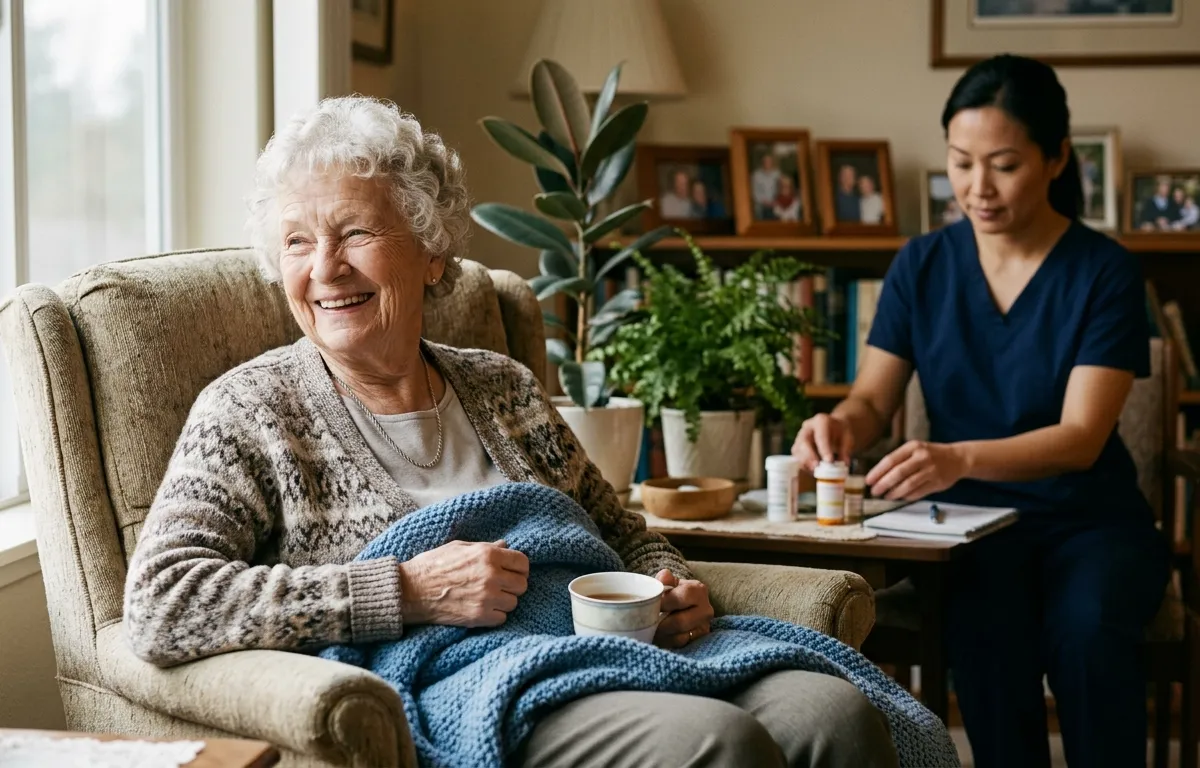
Personal care assistance is more than just help with daily tasks—it's about preserving dignity, maintaining independence, and keeping seniors safe in the comfort of their own homes. Whether your loved one needs occasional support or comprehensive daily care, the right personal care provider can make a meaningful difference in their quality of life and your family's peace of mind.
Portiva Care Network specializes in matching families with vetted, Portiva Certified agencies across all 50 states. Our care coordinators take time to understand your loved one's specific needs, preferences, and personality to connect you with the right provider. We know that personal care is personal—and finding the right fit matters.
Get started today:
Call: (877) 781-2111
Email: info@portivacare.com
Visit: https://portivacare.com
We're available seven days a week to answer your questions and help you find compassionate, professional care that feels like family.